
Paul Wolff
auteur · fotograaf
Paul Wolff (1887–1951) was een Duitse fotograaf en arts die een pionier werd in het gebruik van de Leica-camera en het 24x36-formaat. Na zijn medische studie in Strasbourg en zijn dienst als militaire arts tijdens de Eerste Wereldoorlog, vestigde hij zich in Frankfurt am Main, waar hij de fotografie ontdekte. Hij staat bekend om zijn industriële en commerciële fotografie, met name in de autom sector. In 1927 ging hij een partnerschap aan met Alfred Tritschler om een van de meest welvarende foto-agentschappen van Duitsland op te richten, 'Historisches Bildarchiv Dr. Paul Wolff & Tritschler.' Zijn werk werd gekenmerkt door een toewijding aan het vastleggen van de essentie van onderwerpen — of het nu botanische vormen of industriële machines waren — door middel van precieze compositie en licht.[1,2]
- industriële fotografie
- botanische studies
- Leica-pionierschap
- automotiefphotografie
Boeken
-
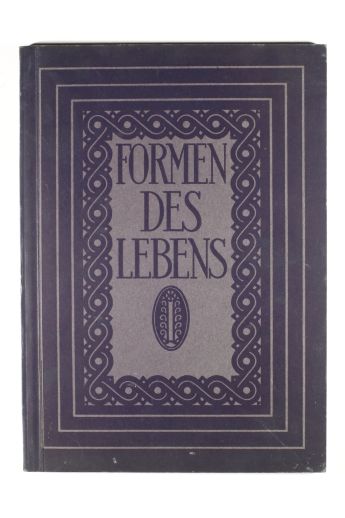 Formen des Lebens€ 55,00

Werk van Paul Wolff
- 1931 Formen des Lebens: Botanische Lichtbildstudien First art book by Paul Wolff; published in Königstein im Taunus & Leipzig.
- 1934 Mes expériences avec le Leica Historical overview of his work with the Leica camera.
- 1936 Was ich bei den Olympischen Spielen 1936 sah Published in four languages regarding the 1936 Olympics.
- 1940 Im Kraftfeld von Rüsselsheim Industrial photography of the automotive sector.
Tentoonstellingen
- 2019 Dr. Paul Wolff & Tritschler, Pionniers du Leica
- 2024 Dr. Paul Wolff (1887-1951) : l'Homme au Leica
- 2024 Paul Wolff : l’expérience photographique, l’image éditée